
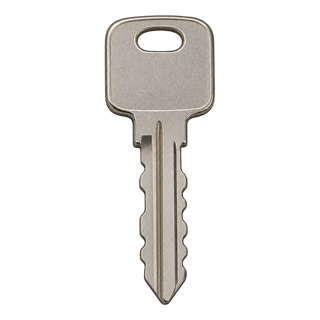
Mechanical key
A plain cut key with no chip or battery, common on older vehicles; it works the doors, ignition and trunk by shape alone
- No plastic head beyond the grip, or a plain black head with no buttons
- No battery inside and nothing to program
NHTSA data identifies the vehicle; it does not confirm the exact key part or service compatibility
What details help identify a car key?A plain cut key with no chip or battery, common on older vehicles; it works the doors, ignition and trunk by shape alone
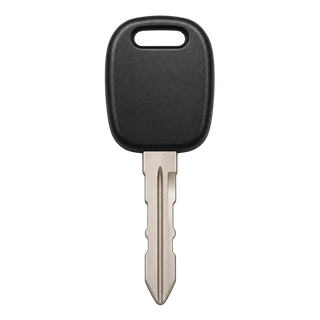
A cut key with a small chip in the plastic head that the immobilizer reads before the engine will start; it looks like a normal key and can still be cut, but it has to be programmed
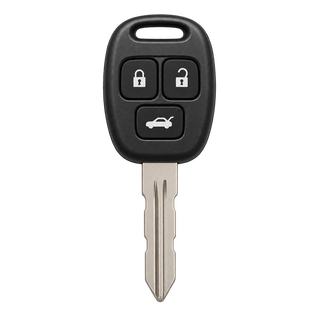
The key and the remote are one piece: the blade folds or flicks out of a head that carries lock, unlock and trunk buttons, plus the transponder chip
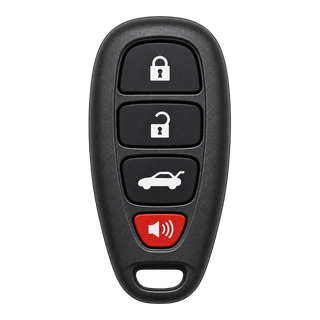
A separate remote that locks and unlocks the car, used alongside a normal key; older vehicles often pair a fob with a plain or chip key
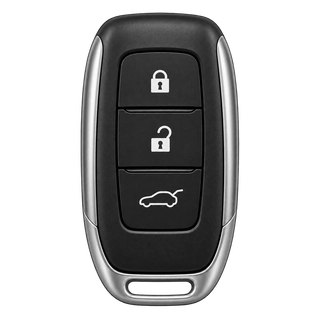
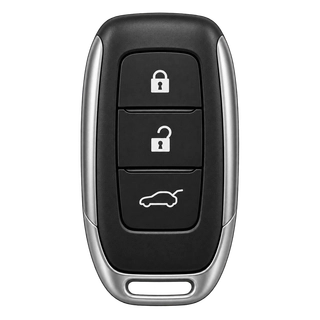
A fob that does not need to leave your pocket to unlock or start the car; it transmits to the vehicle, and it must be programmed to the immobilizer before it works at all
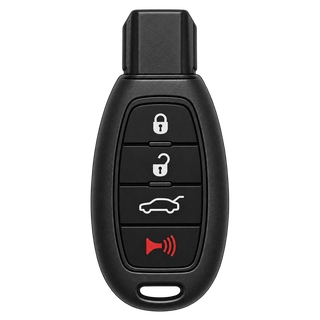
The vehicle starts from a dash button while the fob is inside the cabin; the fob needs to be present, powered and programmed, and a dead fob battery can stop the car starting
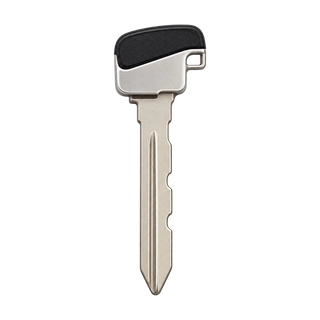
The small metal key hidden inside a smart fob, used to open the door when the fob battery is dead; it opens the door, not the ignition